Shabbat-O-Gram 8/7/2026

|
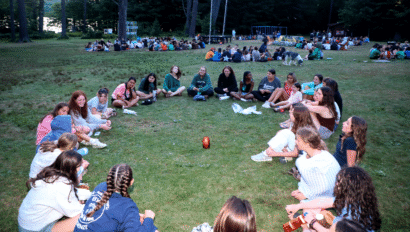
Dear Kingswood Families and Friends, This morning at breakfast before G7 kicked off the meal as Kingswood Crew, I mentioned on the mike that today marks the final Shabbat of camp. There was an audible gasp across the Dining Hall, because for those of us in it, it doesn’t feel like it could possibly be coming to an end. Earlier this summer, I wrote about the stages people move through as they become a group. We talked about the forming stage, as everyone’s getting to know each other, and then storming, when the honeymoon wears off and a group has to do the hard work of learning how to live together. At camp, we talked about how that stage happens to every group everywhere, and doesn’t mean you have a bad bunk, but just means you’re working through the hard parts to get to the best parts. We’ve spent most of the session in the next two phases, ‘norming’ and ‘performing.’ But what happens next at camp, when we reach the final stage of group development – adjourning? The group has become a community. Now we have to learn how to leave. How strange that feels during a summer when our theme has been to STAY. How do you ‘stay’ when it’s time to leave? For nine weeks, we’ve been asking campers and staff to stay in the conversation, stay through the hard moments, stay long enough for friendships to deepen, stay open to becoming someone new. Now, suddenly, the work is different. The buses will come. The cabins will empty. The dining hall will get strangely quiet. Eventually everyone has to go home. Now we have to figure out what stays when we don’t. I’ve been thinking about how Jewish tradition handles endings, because we seem to be a people who aren’t particularly comfortable with the idea that something meaningful simply ends. At the conclusion of the Passover seder, we don’t say, “The end.” We say L’shanah haba’ah b’Yerushalayim, next year in Jerusalem. We finish one experience by imagining ourselves together again. Even the Hebrew word we most commonly use for goodbye, l’hitraot, isn’t really a final goodbye. It means something more like until we see each other again. I love that there’s an assumption built right into the language that connection can survive separation. I think camp teaches us the same thing. This week’s Shabbat theme is community, so appropriate for our final Shabbat with campers. Community is easy to see when 250 kids are sitting together at a meal, when an entire camp is singing at Friday night services, or when a bunk is squished together on one bed laughing long after they were supposed to be asleep. But maybe the better measure of a community is what happens after everyone goes home. How do we ensure the pieces of the way we live here travel home with us? Does the camper who learned to notice when someone is sitting alone keep noticing? Does the camper who discovered that they can step off a camp bus not knowing anyone and make best friends remember that feeling when school starts? Does the camper who learned to apologize instead of huffing off angry keep doing it? Does the camper who was sure they were “not a trip person” remember that they just woke up at 2 am for a challenging sunrise hike in Acadia and liked it? Does the voice of the counselor who spent all summer saying, “Come on, I’ll do it with you,” become a voice they can eventually hear inside themselves? Those are the things I hope stay. The friendships, obviously. The songs. The random inside jokes that nobody at home will understand. The Kingswood phrases like “That was the bell,” that will inevitably annoy everyone else in the family by mid- September. But also the harder-to-see things. The confidence. The independence. The ability to live with people who are different from you. The knowledge that you can be homesick and still be okay. The experience of having other people know you really well and love you anyway. The feeling of being necessary to a community. That might be one of the most important things camp gives kids: the experience of knowing that a place was different because they were in it. Every camper here affected the summer of someone else. They were somebody’s bunkmate. Somebody’s partner at an activity. Somebody’s Big or Little. Somebody who made another kid laugh at breakfast. Somebody who stood in front of the camp with a shout out or debate. Somebody who noticed when a friend was having a terrible day. Somebody another camper will be crying about saying goodbye to next week. That’s community. Maybe that’s also why the ending hurts. I don’t think our job this week is to convince kids not to be sad about leaving. In all honesty, I hope they are sad. I tell the songleaders to lean into tears at Closing Campfire. Not devastated, but sad enough to understand that what happened here mattered. The sadness is part of the evidence. You don’t grieve leaving a place that meant nothing to you. Earlier this summer, STAY was an invitation to remain long enough for something real to happen. Now I think it means something different. Stay the camper who tried the thing you were afraid of. Stay the friend who learned that first impressions often mislead, and our best parts often stay hidden until we trust others. Stay curious, not judgy. Stay brave. Stay willing to look ridiculous. Stay connected to something bigger than yourself. Stay the version of yourself you discovered here. Eventually, we all have to leave Kingswood, but the hope is that Kingswood doesn’t completely leave us. So next Wednesday, there will be hugs and tears and duffel bags and buses. We’ll say goodbye to people we’ve lived beside for weeks and, in some cases, for summers and summers. So, goodbye doesn’t really seem like quite the right word. L’hitraot. Until we see each other again. For everything that became part of us while we were here, we don’t need to say goodbye at all. Those parts get to STAY. We leave. We miss each other. We carry pieces of this place home. Then we come back together next year, adding to our camp story. Wishing you and your family a peaceful final Shabbat with campers from the shores of Woods Pond, |
 |